
Dr. Bethany A. Harris, Center for Urban Agriculture Director
Dr. Heather Kirk-Ballard, Assistant Professor – Sustainable Urban Landscapes
Dr. Kate Cassity-Duffey, Assistant Professor – Organic Production
Whitney Ottinger, SARE Sustainable Agriculture Educator
Rich Braman, Systems Administrator and Developer
UGA Cooperative Extension / Department of Horticulture / Center for Urban Agriculture / Southern SARE
Introduction
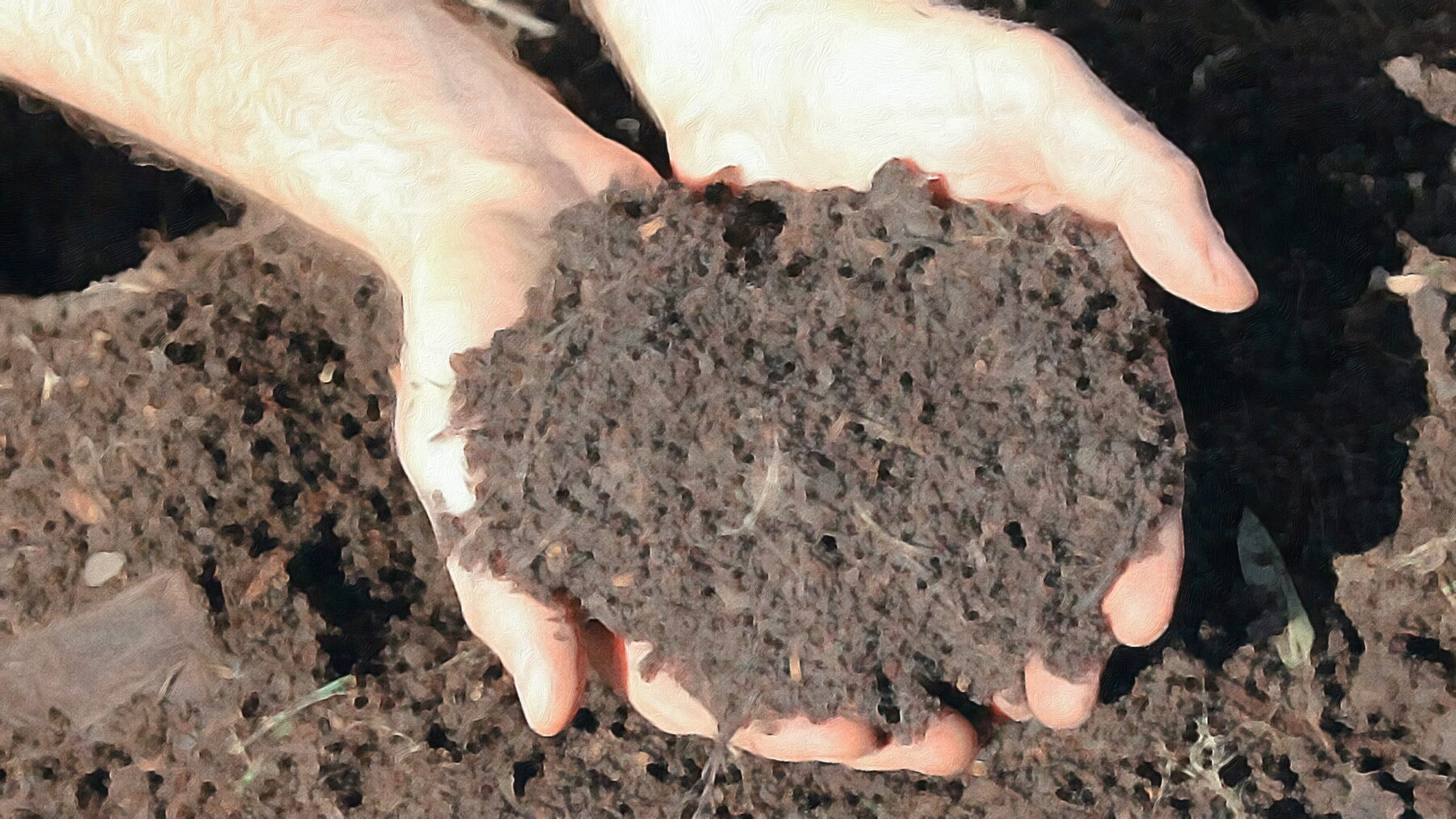
Every growing season brings a steady stream of organic debris including leaves, grass clippings, pruned materials, and spent plants. For farmers, landscapers, and gardeners, managing this material can be both time-consuming and costly. However, through composting, these materials can be transformed into a valuable soil amendment that improves soil health and supports plant growth. Composting is a natural process that recycles organic materials into a nutrient-rich soil amendment. By incorporating compost into production systems and landscapes, growers can reduce waste, improve soil structure, and support sustainability.
Why Compost?
Composting provides multiple benefits for agricultural and landscape systems. It improves soil structure and tilth, allowing for better root growth and water movement. Compost also increases the soil’s ability to retain moisture, which can be especially valuable during hot summers and dry periods. Compost can improve soil water-holding capacity, reduce irrigation needs, and increase organic matter over time – key factors for maintaining productivity in Georgia soils.
In addition, compost contributes nutrients in a slow-release form and supports beneficial soil microorganisms that play an important role in plant and soil health (Harris and Kirk Ballard, C-1365-01). Over time, the use of compost can reduce waste disposal costs and contribute to more resilient and productive soils.
Beyond its agricultural advantages, composting plays a critical role in reducing landfill waste. According to the U.S. Environmental Protection Agency, food is the most common material found in landfills, followed by yard trimmings, wood, paper, and paperboard. When these organic materials break down in anaerobic (oxygen-free) conditions in landfills, they produce methane – a greenhouse gas that can contribute to climate impacts (Harris and Kirk Ballard, C-1365-01).
The Basics of Composting
Successful composting depends on maintaining the proper balance of air, moisture, and organic materials. Composting is an aerobic process, which means that oxygen is required for microorganisms to effectively break down organic matter (Harris and Kirk Ballard, C-1365-01). When oxygen is limited, compost piles may become compacted and develop unpleasant odors. Turning the pile or incorporating coarse materials such as twigs can help improve airflow.
Moisture is another essential component of composting. Microorganisms require water to function, but excessive moisture can reduce oxygen availability. A well-maintained compost pile should feel similar to a wrung-out sponge – moist but not saturated. The ideal moisture content for a compost pile is between 40% and 60% by weight (Harris and Kirk Ballard, C-1365-01). In many cases, rainfall provides sufficient moisture, although supplemental watering may be necessary during extended dry periods.
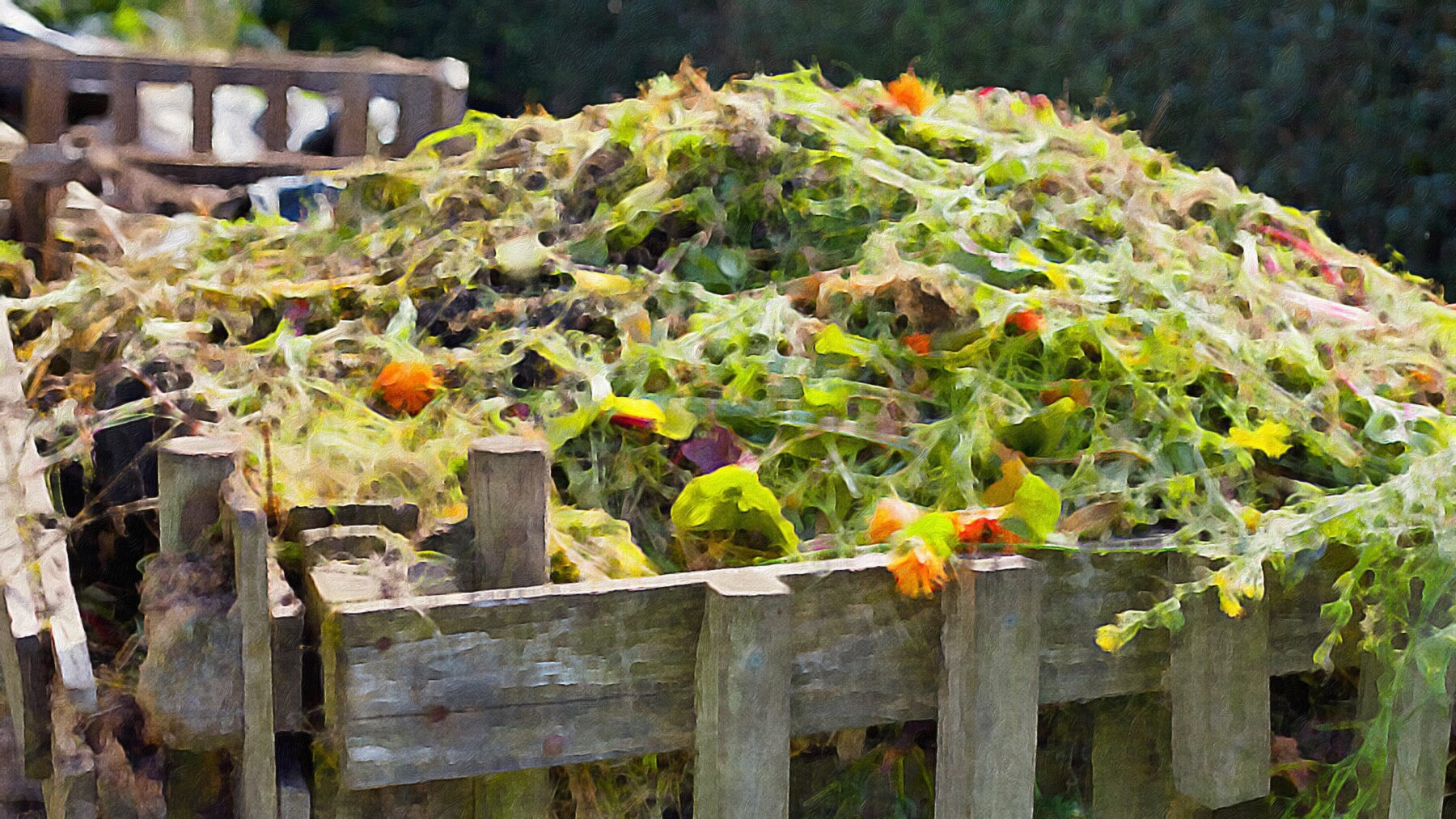
The balance of organic materials is equally important. Compost piles should include both nitrogen-rich “green” materials and carbon-rich “brown” materials. Green materials include items such as grass clippings, vegetable scraps, and fresh plant matter, while brown materials include leaves, straw, pine needles, and paper products. A general guideline is to maintain roughly a 2:1 ratio of brown to green materials, although this can vary depending on material type. Ideally, compost materials should have a carbon-to-nitrogen (C:N) ratio of approximately 25:1 to 30:1 for efficient decomposition (Harris and Kirk Ballard, C-1365-01; Pennisi, C-816).
What to Compost
A wide range of organic materials can be successfully composted. The table below provides a quick reference for what to include and what to leave out of your compost pile.
Table 1. What to Compost: Yes vs. No
| Compost These | Avoid These |
|---|---|
| Leaves, grass clippings | Meat, dairy, oils |
| Fruit and vegetable scraps | Pet waste |
| Coffee grounds | Diseased plants |
| Small branches, pruned plant materials | Weeds with seeds |
| Pine needles | Bones, grease, whole eggs |
| Straw | Herbicide-treated clippings (until fully decomposed) |
These materials provide the necessary carbon and nitrogen to support microbial activity. Items in the “Avoid” column can attract pests, create odors, transmit diseases, or introduce problems when the compost is used in your landscape or garden beds (Pennisi, C-816; Ritz and Kolich, C-1097).
Composting Methods
There are several composting methods to choose from, and the most appropriate option depends on available space, time, and management requirements.
Table 2. Composting Methods and Stages
| Method | Active Phase (Temperature) | Duration | Notes |
|---|---|---|---|
| Hot composting | 131-160 F (55-71 C) | Active phase: 3-8 weeks; curing: 1-3 months | Rapid decomposition; kills pathogens and weed seeds; requires regular turning |
| Cold composting | Ambient temperatures | 6 months-2 years | Low maintenance; slower process; less effective at pathogen and weed seed destruction |
| Vermicomposting | 55-77 F (ambient) | 2-3 months | Worms (Eisenia fetida) process organic matter; must be kept cool and moist; not compatible with hot composting |
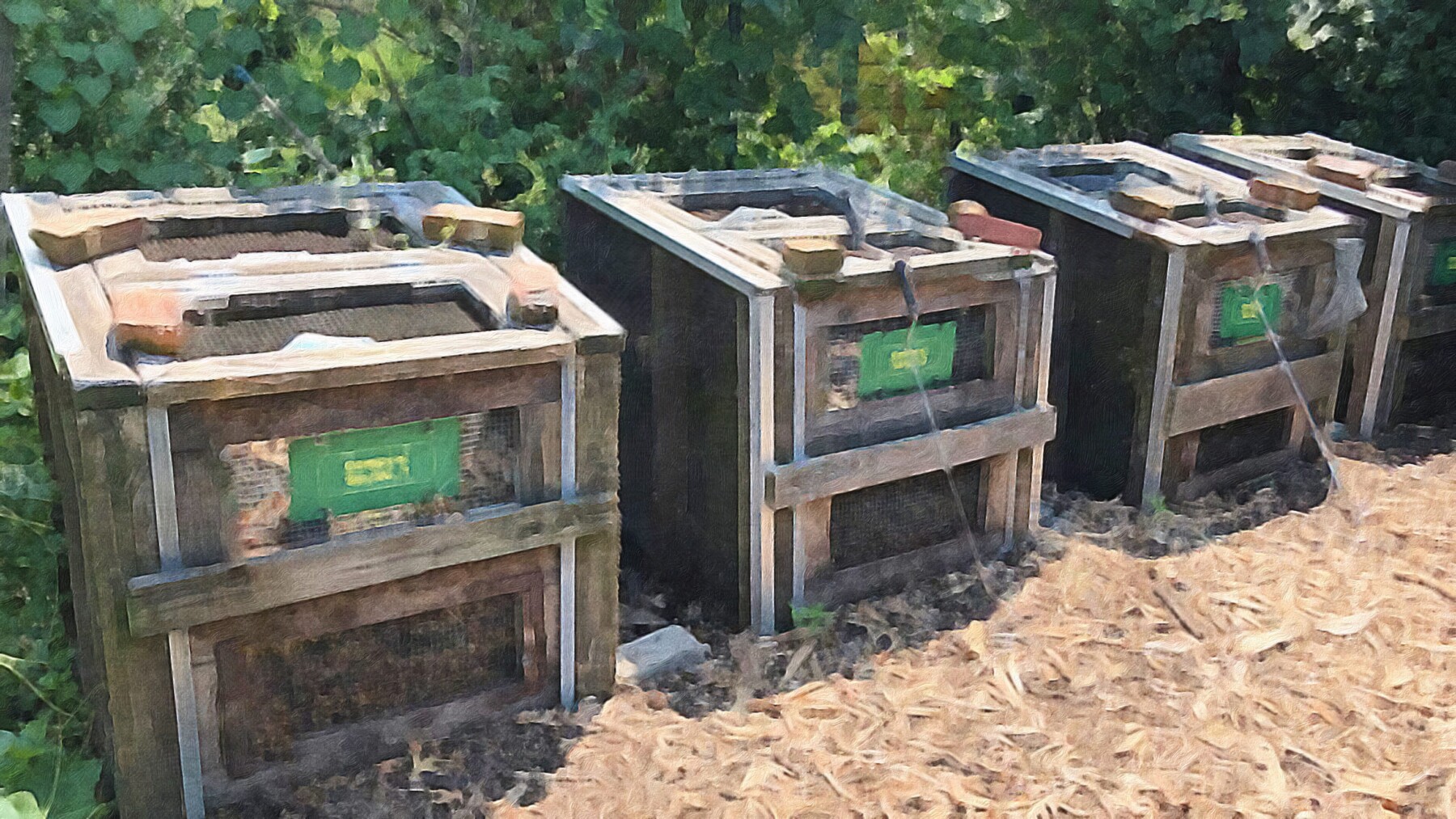
Hot composting involves more management but results in faster decomposition. In these systems, materials are layered, moisture is carefully managed, and the pile is turned regularly to maintain aeration. These “hot” compost piles can produce usable compost within two to four months and often reach temperatures high enough to reduce weed seeds and pathogens. In general, the ideal pile size is 3 feet wide by 3 feet deep by 3 feet tall (27 cubic feet), which ensures sufficient internal heat for effective decomposition (Harris and Kirk Ballard, C-1365-01).
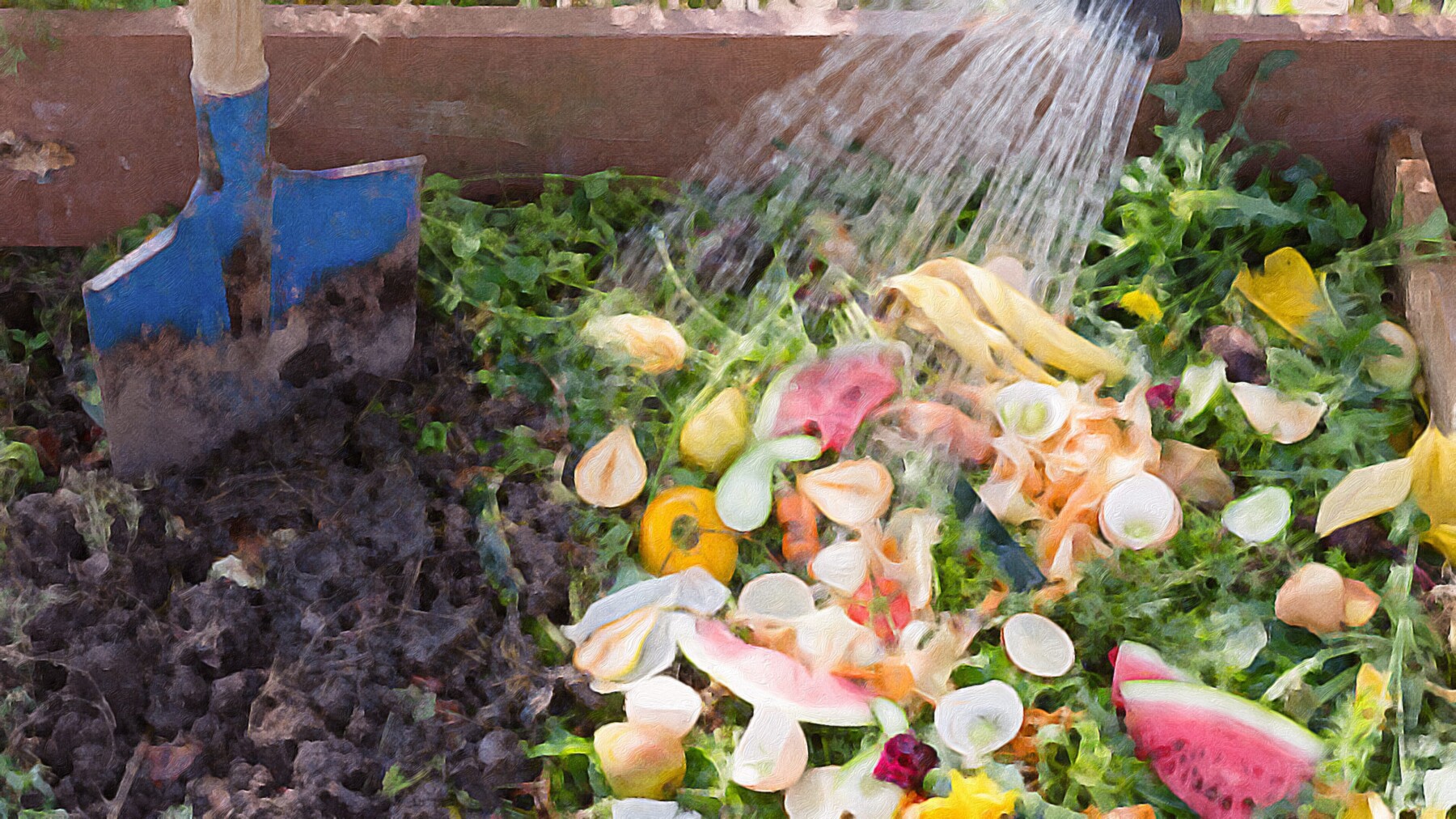
When using hot-composting methods, proper site selection is essential for ensuring food safety, easing maintenance, and minimizing runoff. Ideally, the composting site should be located downhill and as far away as possible from vegetable gardens or production areas to reduce the risk of contamination. Choose a location that is protected from flooding and surface water runoff, and that also remains accessible and workable year-round (Harris and Kirk Ballard, C-1365-01). Placing the compost system in a shaded area helps minimize moisture loss, and locating the site near a water source makes it easier to maintain adequate moisture levels.
Cold composting may be the most practical option for those who prefer a low-maintenance approach. This method involves simply gathering leaves, crop residues, or other organic materials into a 3- to 4-cubic-foot pile or bin, adding water as needed, and allowing the materials to decompose naturally over time (Harris and Kirk Ballard, C-1365-01).
The main difference from hot composting is that cold composting does not require regular turning of the pile. Without this management, the pile is unlikely to reach the sustained high temperatures needed to rapidly kill pathogens and weed seeds. Decomposition in cold composting can take a year or longer. Cold compost is a low-effort way to recycle organic matter and enrich soil, but to avoid foodborne illness, the end product should not be applied directly to edible crops unless it has aged for many months or gone through a hot phase. It can safely be used on ornamental beds, trees, and nonedible plants (Harris and Kirk Ballard, C-1365-01).
Vermicomposting is a suitable alternative for composters with limited space. This method relies on red wiggler worms (Eisenia fetida) to break down food scraps and other organic waste into nutrient-rich compost that improves soil structure and fertility. A key advantage of vermicomposting is that it typically produces less odor than other methods and can be established in small-scale settings using a bin or tray system (Harris and Kirk Ballard, C-1365-01). Choose a shaded area to prevent the worms from drying out, and locate the system near a water source to help maintain proper moisture levels.
Note: Red wiggler worms are not native to Georgia and can be invasive in natural settings. Keep worms contained within your vermicomposting bin or tray system and avoid releasing them into the landscape.
Managing Your Compost Pile
Proper management helps ensure efficient composting. For active composting systems, turning the pile every one to two weeks helps maintain oxygen levels and accelerates decomposition (Harris and Kirk Ballard, C-1365-01; Pennisi, C-816).
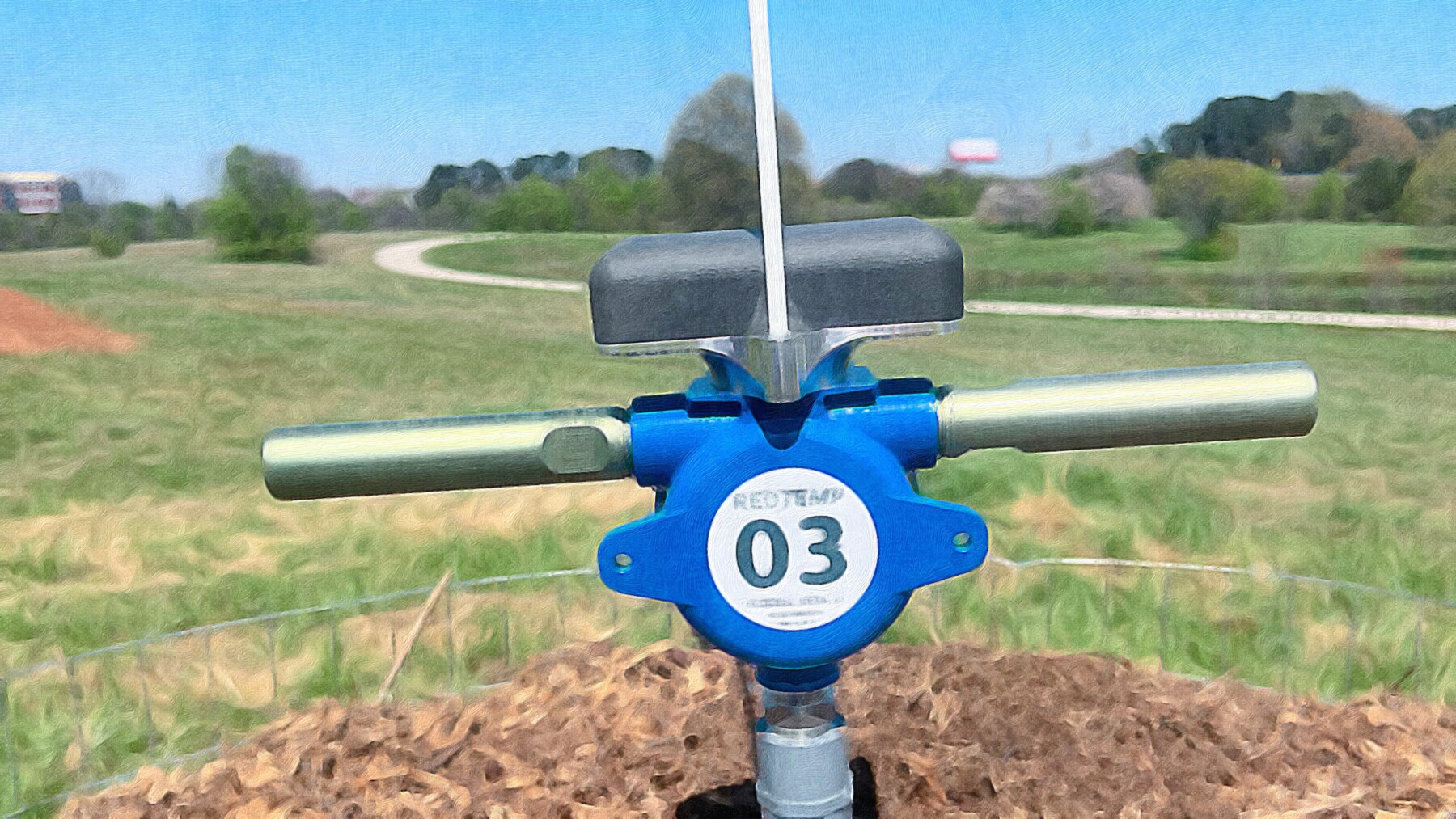
Monitor your compost pile weekly to check temperature and moisture. Active decomposition occurs at temperatures between 131 F and 160 F, with temperatures above 150 F being particularly important for destroying weed seeds and disease organisms (Harris and Kirk Ballard, C-1365-01; Pennisi, C-816). You can monitor compost temperature by inserting a long-stem thermometer into the pile for accurate internal readings, using a temperature gun for surface checks, or performing the hand test – while wearing gloves, reach 8 to 12 inches into the pile to feel if it is warm or hot.
Maintaining a balance of materials is important as new inputs are added over time. If the pile becomes too dry, microbial activity slows. If too wet, it can become anaerobic and produce odors. The wrung-out sponge test remains the best guide: the pile should be moist but not dripping (Pennisi, C-816).
Common Composting Issues
| Problem | Likely Cause | Solution |
|---|---|---|
| Bad odor | Too wet or lacking oxygen | Add brown materials, turn pile |
| Slow decomposition | Too dry or low nitrogen | Add green materials, water the pile |
| Pests | Food scraps exposed | Bury food materials deeper in the pile |
| Pile does not heat up | Too small, not enough nitrogen, or insufficient moisture | Increase pile size, add greens, moisten and turn |
(Harris and Kirk Ballard, C-1365-01; Pennisi, C-816; Ritz and Kolich, C-1097)
When Is Compost Ready and How Can It Be Used?
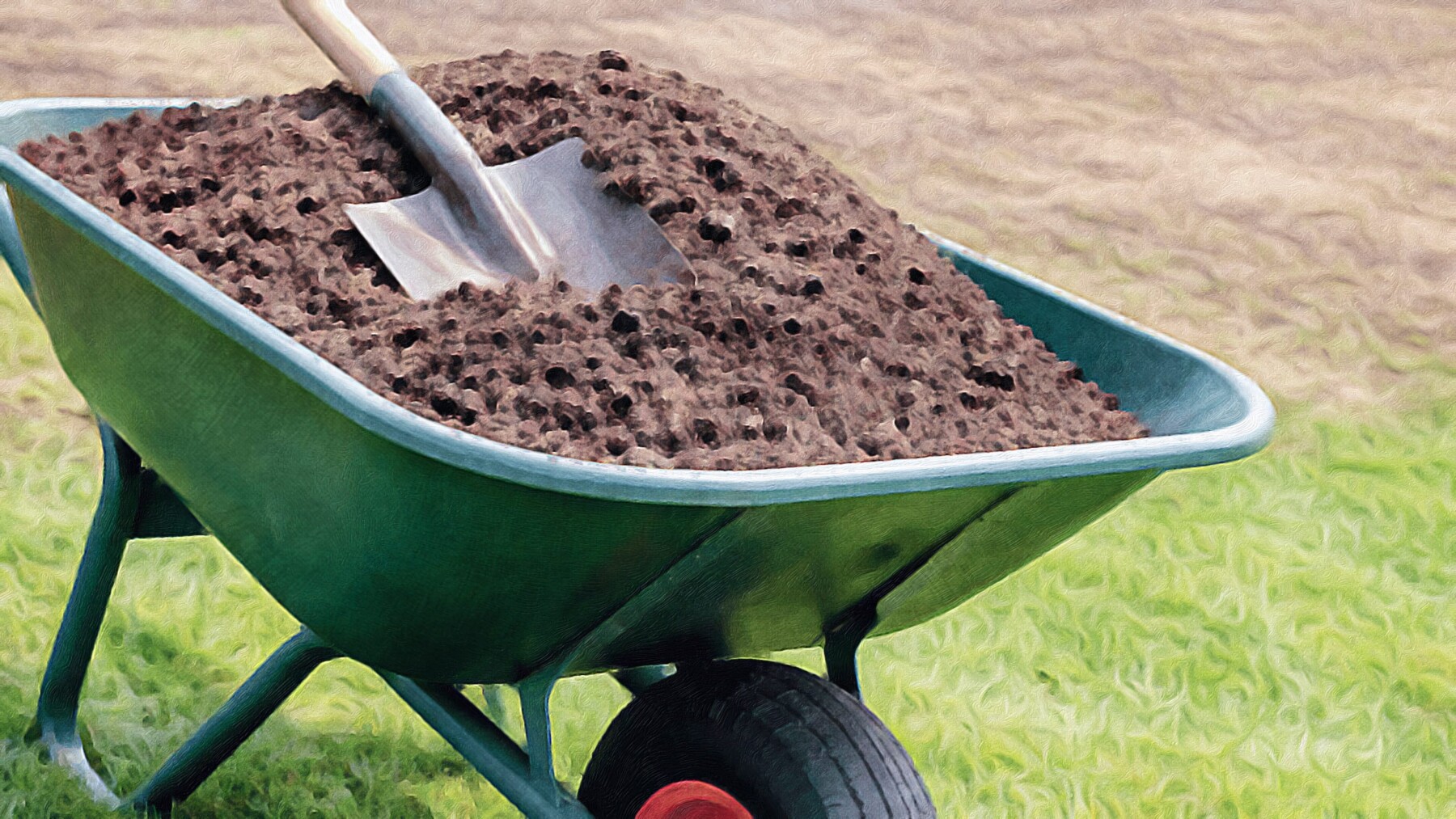
Finished compost can be identified by its appearance and characteristics. It should be dark in color, crumbly in texture, and have an earthy smell. The original materials should no longer be recognizable, and the pile should no longer be generating heat. A simple test is to place compost in a sealed bag for 24 hours – if it develops a sour odor, it may need more curing time.
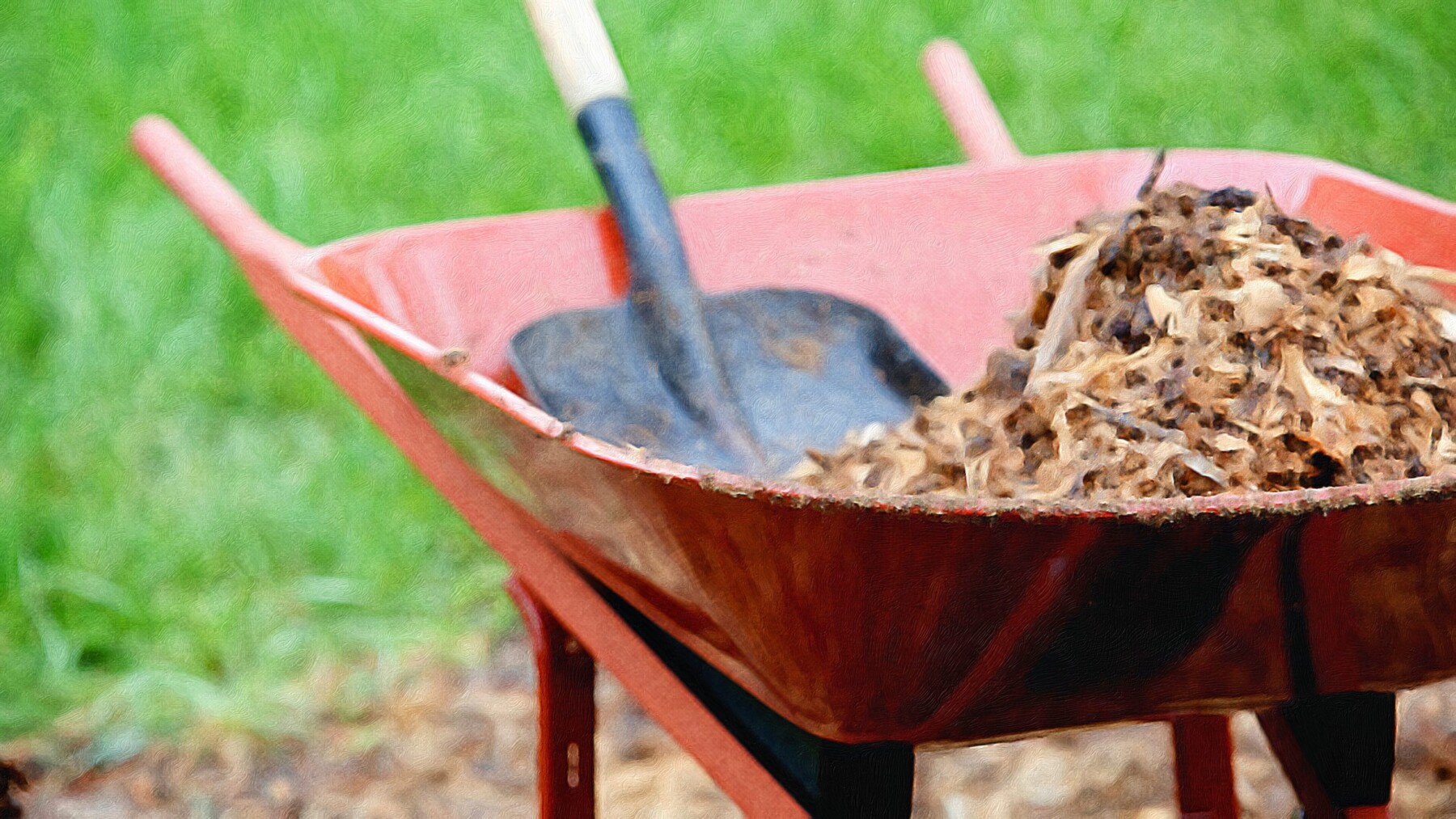
Compost can be used in a variety of ways to improve soil and plant health. It can be incorporated into garden beds at a depth of 1 to 3 inches or added to agricultural soils to improve structure and fertility. Additional uses include topdressing lawns with a quarter-inch layer, blending compost with peat moss and perlite to create potting soil for container plants, and applying it as mulch around the base of plants in a 3- to 6-inch layer (Pennisi, C-816; Ritz and Kolich, C-1097).
The pH of finished compost is usually between 6.5 and 7.0, which is beneficial for most garden and landscape plants. However, because of its slightly alkaline nature, compost may not be ideal as the sole amendment for acid-loving plants such as azaleas and blueberries. Have your soil tested every few years through your local UGA Extension office to determine whether supplemental nutrients are needed (Pennisi, C-816).
Always wear gloves when handling compost and wash hands afterwards to reduce exposure to pathogens.
Summary
Composting is an effective and practical way to manage organic waste while improving soil quality. By converting yard and farm debris into a beneficial soil amendment, farmers, landscapers, and gardeners can reduce costs, enhance plant performance, and support more sustainable growing systems. This simple practice turns what was once considered waste into a valuable resource that contributes to long-term soil health.
For More Information
For additional guidance, contact your local University of Georgia Cooperative Extension office or visit extension.uga.edu.
Resources
Harris, B. A. and Kirk Ballard, H. 2026. Composting basics and considerations for growers and landscapers (Circular C-1365-01). University of Georgia Cooperative Extension. https://fieldreport.caes.uga.edu/publications/C1365-01/composting-basics-and-considerations/
Pennisi, B. 2022. Composting and mulching: A guide to managing organic landscape refuse (Circular C-816). University of Georgia Cooperative Extension. https://fieldreport.caes.uga.edu/publications/C816/composting-and-mulching/
Ritz, C. W. and Kolich, H. N. 2022. Poultry litter composting for backyard flocks (Circular C-1097). University of Georgia Cooperative Extension. https://fieldreport.caes.uga.edu/publications/C1097/poultry-litter-composting-for-backyard-flocks/
